

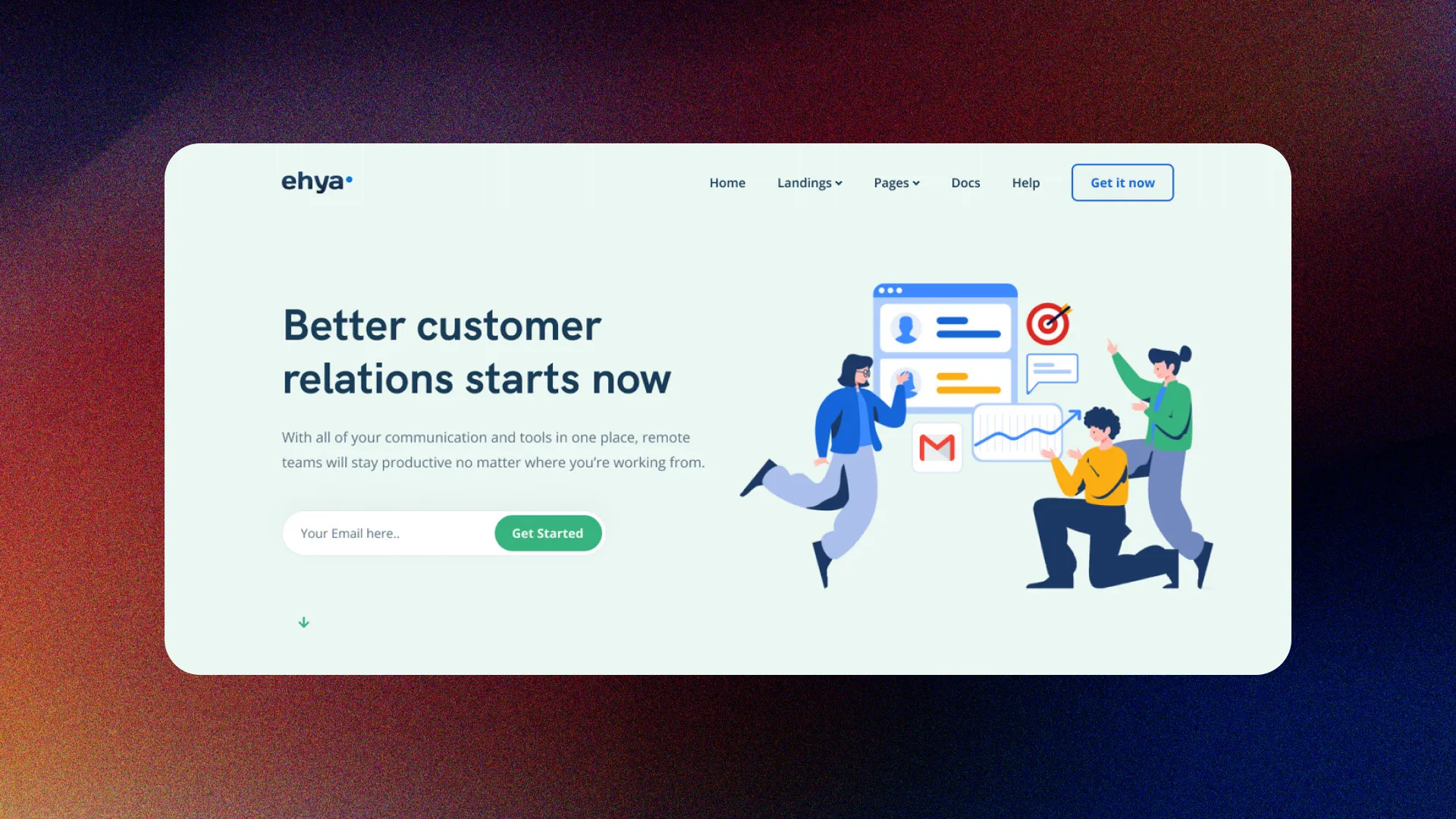
Ehya: A Minimalist Front-End Web Layout
Ehya represents the pinnacle of modern front-end web development, crafted with passion and precision. Developed over two weeks of dedicated effort, this project delivers an unparalleled showcase of responsive design, user experience, and clean code organization.
🚀 Introduction
Ehya is an impressive web project showcasing a minimalist and responsive web layout, exemplifying the skillful integration of HTML, CSS, and JavaScript to create an interactive and intuitive navbar. At its heart, Ehya is a captivating demonstration of the Block Element Modifier (BEM) methodology, a widely-adopted approach that ensures consistency in CSS class naming and organization. Going beyond just responsiveness, this project places a strong emphasis on correct layout and block structuring, resulting in a streamlined user interface that effortlessly adapts to diverse devices and screen sizes. With its simplicity and effectiveness, Ehya serves as an excellent resource for learning and implementing modern web design practices.
✨ Key Features
- 📂 Good File Structure: Ehya is meticulously organized, with a well-structured file architecture. This thoughtful organization not only enhances the project's maintainability but also enables efficient collaboration among developers.
- 🌐 Modern Implementation of CSS and HTML: In line with contemporary web development practices, Ehya adopts cutting-edge techniques for CSS and HTML implementation. By leveraging the latest features and best practices, the project achieves optimal performance and compatibility across various browsers.
- 📏 Usage of Column System: Ehya integrates a robust and flexible column system, ensuring consistent and visually appealing layouts across different screen sizes. This responsive approach guarantees an optimal user experience on both desktop and mobile devices.
- 🎨 Cool and Modern Design: With an emphasis on aesthetics and user experience, Ehya boasts a cool and modern design. The project combines eye-catching visuals, thoughtful typography, and well-chosen color schemes, creating an engaging and visually pleasing user interface.
- 🛠️ Implementation of BEM Methodology: Ehya adheres to the Block Element Modifier (BEM) methodology, showcasing a standardized and maintainable CSS class naming convention. This approach promotes code organization and reusability, facilitating scalability and ease of future development.
The combination of these features makes Ehya a standout web project that not only excels in its technical implementation but also offers an aesthetically pleasing and user-friendly experience to its audience.
🎨 User Interface
Despite being a single-page project without functional logic, Ehya's user interface presents an impressive and polished appearance. The design's cleanliness and visual appeal are immediately evident, capturing the user's attention and creating a positive first impression. Each element of the interface, from the navbar to the content sections, is thoughtfully crafted and visually coherent, contributing to a seamless user experience.
The minimalist approach of Ehya's user interface not only enhances its aesthetic appeal but also ensures that the content takes center stage, making it easy for users to navigate and focus on the presented information. The judicious use of whitespace and balanced layout contributes to a sense of elegance and clarity.
Although the buttons and links lack interactive functionality, their design maintains consistency with the overall theme, complementing the project's modern and cool look. This attention to detail indicates a high level of craftsmanship, even in non-functional elements.
Overall, the user interface of Ehya demonstrates an impressive ability to communicate its intended message effectively, even in the absence of full functionality. The project's visually pleasing and well-organized interface sets a strong foundation for potential future development and showcases the designer's skillful execution of modern web design principles.
🛠️ Architecture
The code architecture of Ehya follows a well-organized and modular approach, effectively separating different components to achieve a maintainable and reusable codebase. The primary division lies between the HTML and CSS parts.
The CSS code is structured using a combination of blocks and tools to promote clarity and consistency. In the main.css file, all imports are logically separated into two main sections: global tools and blocks. The blocks represent distinct sections or components of the page, while the global tools encompass utility classes, such as grid layouts, text styles, and buttons. This categorization facilitates a unified and reusable coding experience, where developers can easily apply consistent styles across the entire project.
Moreover, the codebase optimizes CSS by minimizing it, which helps reduce the overall file size and improve page loading speed.
Another key aspect of the code architecture is the presence of a general.css file, where global styles are declared. Here, root variables are defined, allowing for easy customization and maintenance of the project's design theme.
In the tools section, there is a sticky footer option, which provides a reusable solution for implementing a sticky footer throughout the project. This not only streamlines development but also ensures a consistent user experience across different pages.
By adopting a modular approach, organizing CSS into blocks and tools, and utilizing global styles and variables effectively, the code architecture of Ehya promotes code reusability, consistency, and ease of maintenance. This thoughtful structure allows developers to efficiently work on different parts of the project independently, contributing to the project's overall scalability and robustness.
🧠 Technical Solutions
During the development of the Ehya web project, several challenges were encountered, each requiring innovative solutions to ensure a successful outcome. Below are some of the significant challenges faced, along with their corresponding solutions:
-
Responsive Design Complexity:
- Challenge: One of the primary challenges was implementing a responsive design that seamlessly adapts to various screen sizes and devices. As Ehya is a single-page application, ensuring the content's optimal presentation on both desktop and mobile devices posed a unique challenge.
- Solution: To overcome this challenge, the development team adopted a mobile-first approach. By designing the layout and user interface for mobile devices first, they ensured a strong foundation for responsiveness. Using CSS media queries, they gradually enhanced the design for larger screens. Frequent testing and adjustments were made to guarantee a smooth and consistent user experience across all devices.
-
Cross-Browser Compatibility:
- Challenge: Ensuring consistent performance and appearance across different web browsers presented a significant challenge. Different browsers interpret CSS and JavaScript differently, leading to potential inconsistencies and compatibility issues.
- Solution: To address cross-browser compatibility challenges, the development team performed thorough browser testing during the development process. They identified and rectified specific CSS and JavaScript issues for different browsers. Additionally, they adhered to web standards and best practices, minimizing the likelihood of compatibility problems.
-
Code Organization and Maintainability:
- Challenge: With a growing codebase and the need for multiple developers to work collaboratively, maintaining code organization and readability became critical challenges. As the project complexity increased, it was crucial to keep the codebase clean and easily manageable.
- Solution: To maintain code organization and readability, the team diligently followed the Block Element Modifier (BEM) methodology. By adhering to a consistent class naming convention and separating CSS into blocks and tools, they achieved a modular and maintainable code structure. Regular code reviews and documentation also played a significant role in ensuring a clear understanding of the codebase among the development team.
-
Handling Future Enhancements:
- Challenge: Anticipating future enhancements and changes to the project without disrupting the existing functionality presented another challenge. It was essential to design the codebase with scalability in mind to accommodate future updates seamlessly.
- Solution: To address future enhancement challenges, the team focused on writing modular and reusable code. They prioritized decoupling components where possible, allowing for easier integration of new features. Additionally, comprehensive test suites were created to identify potential regressions during future development cycles.
By identifying and proactively addressing these challenges, the development team successfully navigated the complexities of the Ehya project, delivering a responsive, user-friendly, and maintainable web application.
🛠️ Tech Stack
| Category | Tools |
|---|---|
| Languages | HTML, CSS, JavaScript |
| Methodology | BEM |
| Utilities | CSS Minification, Responsive Design, Global Styles |
📷 Gallery
🔗 Links
🎉 Conclusion
Ehya stands as an impressive showcase of modern web design and development practices. This minimalist, single-page web project utilizes HTML, CSS, and JavaScript to construct a dynamic and intuitive navbar, demonstrating a mastery of responsive design principles and the implementation of the Block Element Modifier (BEM) methodology.
Throughout the development process, the team encountered and overcame various challenges, such as achieving responsive design complexity, ensuring cross-browser compatibility, and maintaining code organization and readability. By adopting a mobile-first approach, adhering to best practices, and employing rigorous testing, they successfully delivered a seamless user experience across different devices and browsers.
Ehya's code architecture reflects a thoughtful and modular organization, separating CSS into blocks and tools, and utilizing global styles and variables. This design choice promotes code reusability, consistency, and ease of maintenance, setting a strong foundation for future enhancements and updates.
While Ehya's current version may lack functional logic for buttons and links, its captivating user interface and appealing design create a positive and engaging experience for users. Moreover, its implementation of the BEM methodology ensures maintainability and scalability, making it a valuable resource for understanding and implementing modern web design practices.
In summary, Ehya exemplifies the power of combining technology, design, and development principles to create an elegant and functional web layout. As the web landscape continues to evolve, Ehya serves as a testament to the dedication and expertise required to deliver a top-tier web project that is both aesthetically pleasing and technically sound. Whether as a learning tool or a source of inspiration, Ehya leaves a lasting impression and represents the commitment to excellence in web development.
Dive in, explore the platform, and share your feedback to help shape its future!
Built with ❤️ by Brandon